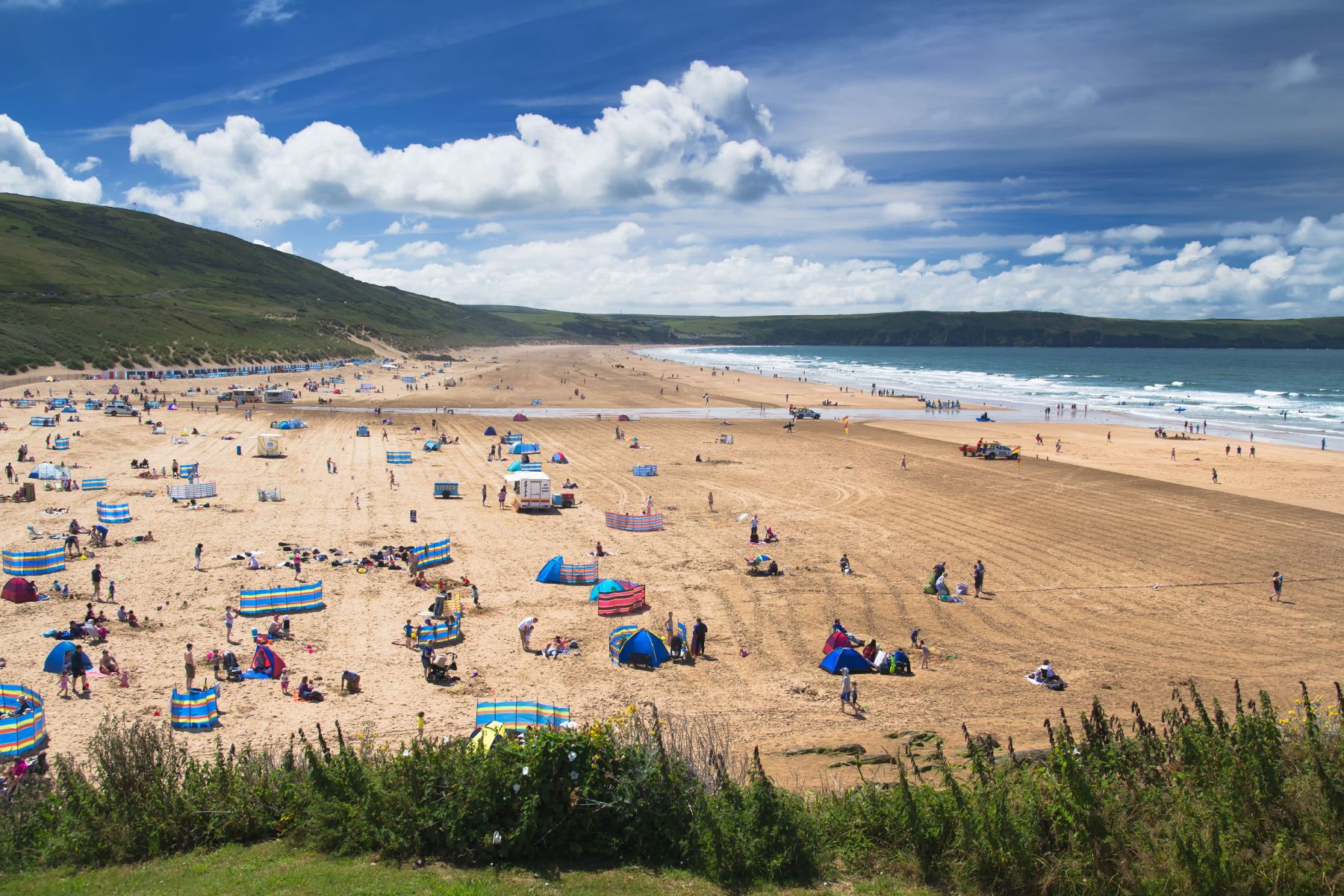
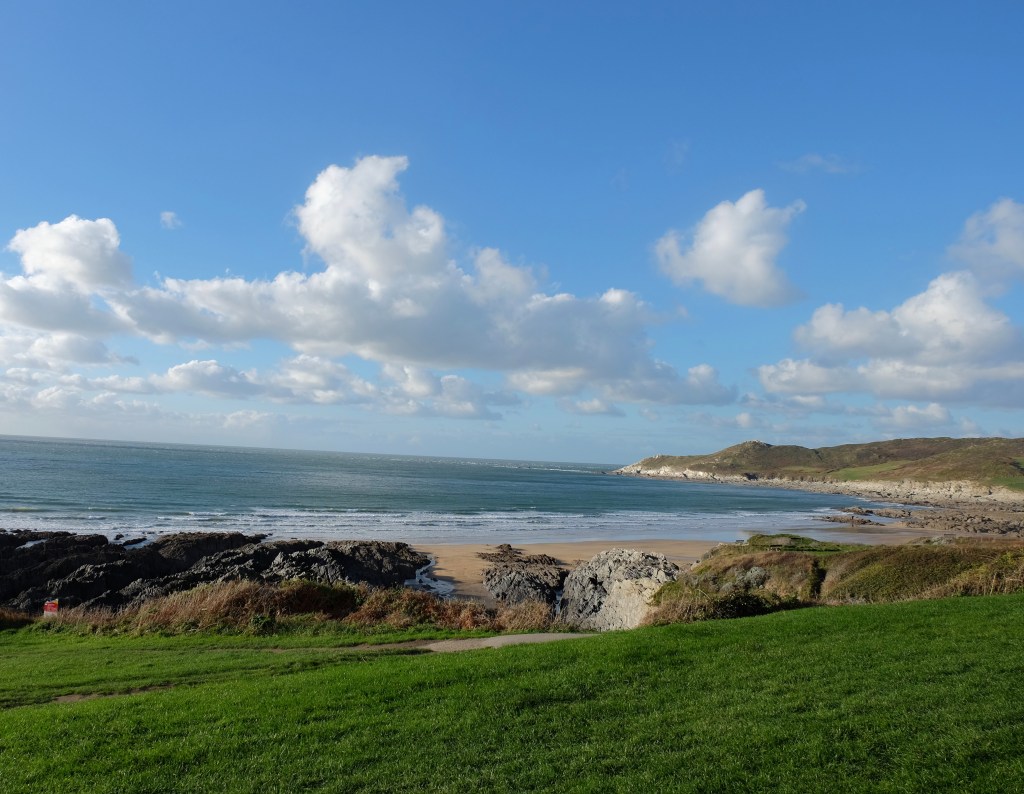
Woolacombe is a special place to many people, either as the place they have called home, or as the place they love to visit on holiday. Woolacombe is steeped in history – a typical Edwardian/Victorian coastal resort town dominated by large villa style houses and grand hotels, it was first recorded in the Domesday book as Wolnecoma, literally meaning ‘Wolves Valley’. At the time the valley was thickly wooded and presumably wolves could be found. There were no inhabitants living in Woolacombe at the time of the Domesday survey in 1086.
Woolacombe Tracey, the medieval manor, is shown on the site of Woolacombe Farm on early ordinance survey maps, and medieval rubble has been found near this site supporting the possibility. Woolacombe Tracey was the seat of the Tracey family, Sir William de Tracey was said to have lived here after his involvement in the murder of Thomas a Becket in 1170.
The 1840’s Tithe map for Mortehoe Parish shows Woolacombe as a small cluster of buildings located around the Beach Road junction with Sandy Lane. Some distance to the east could be found two settlements of similar size, being east Woolacombe and Over Woolacombe. At this time there was no development along the shoreline and Woolacombe was only a modest village or large hamlet – having no church of its own.
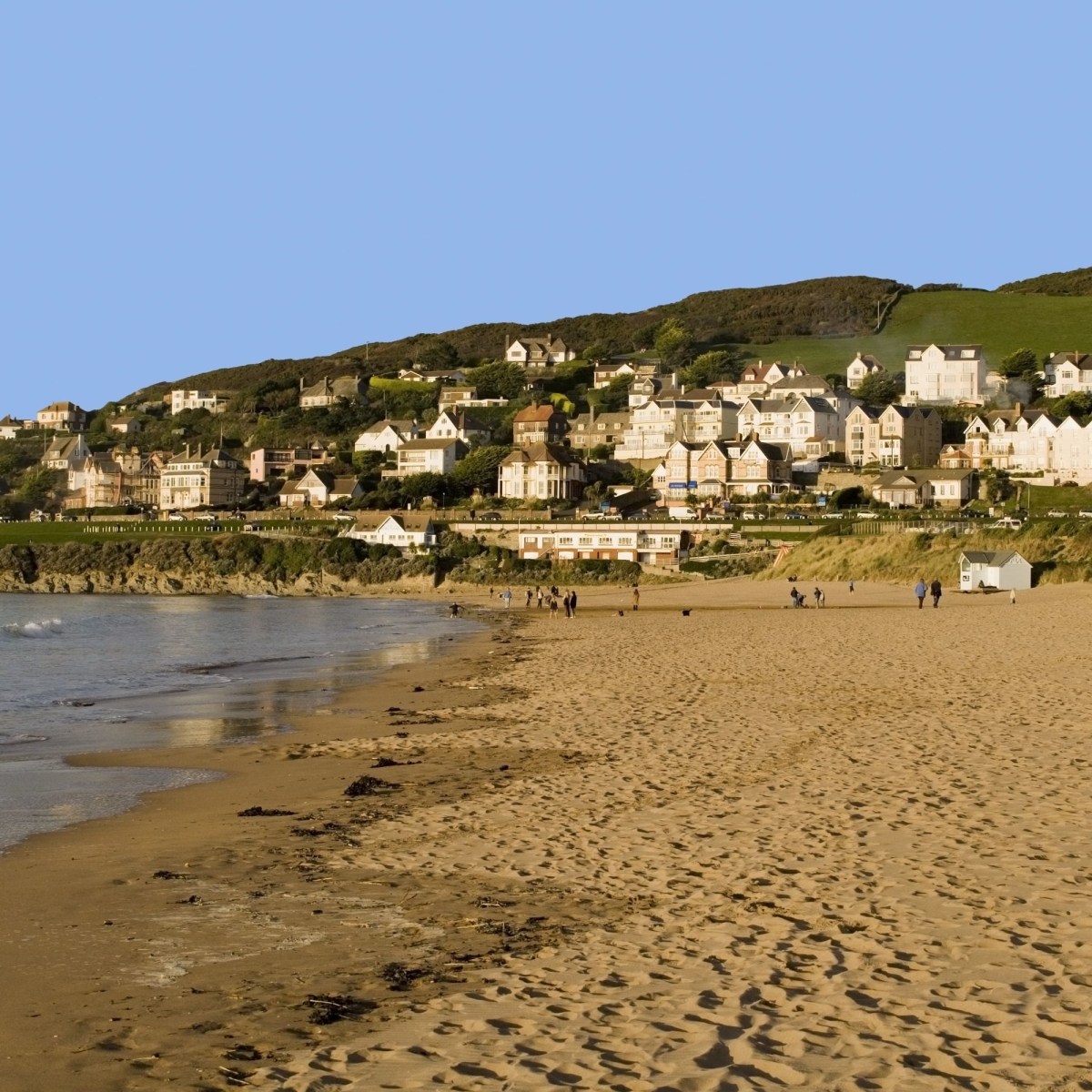
In the 1880’s a Barnstaple architect, Arnold Thorne, laid out Woolacombe for development as a coastal resort. Plots of land were set out and leased to individual developers for periods of 99 years by the Chichester Estate. The development grew at a slow pace, the seafront along the Esplanade being mainly a row of Victorian and Edwardian villas, with a rapid period of building from 1890, when maps show the Esplanade devoid of buildings, to 1905 when the shoreline frontage is mainly as it is today.
The main landscape features are clearly the beach and the two headlands, Morte Point and Baggy Point, which frame its sands. The beach is visible from the vast majority of points in the village and an increasing number of people get their first look at Woolacombe from the various paths and trails (including the Tarka Trail and the South West Coast path) which runs through Woolacombe from north to south. As such views from Potters Hill out over Woolacombe are important from the south, and the path out to Morte Point at the north.
Several buildings within the conservation area were constructed by the Chichester Estate, Hartland house was used as an estate office for several years and the next door Parade House was built for Dame Rosalie Chichester as a summer residence in 1890.
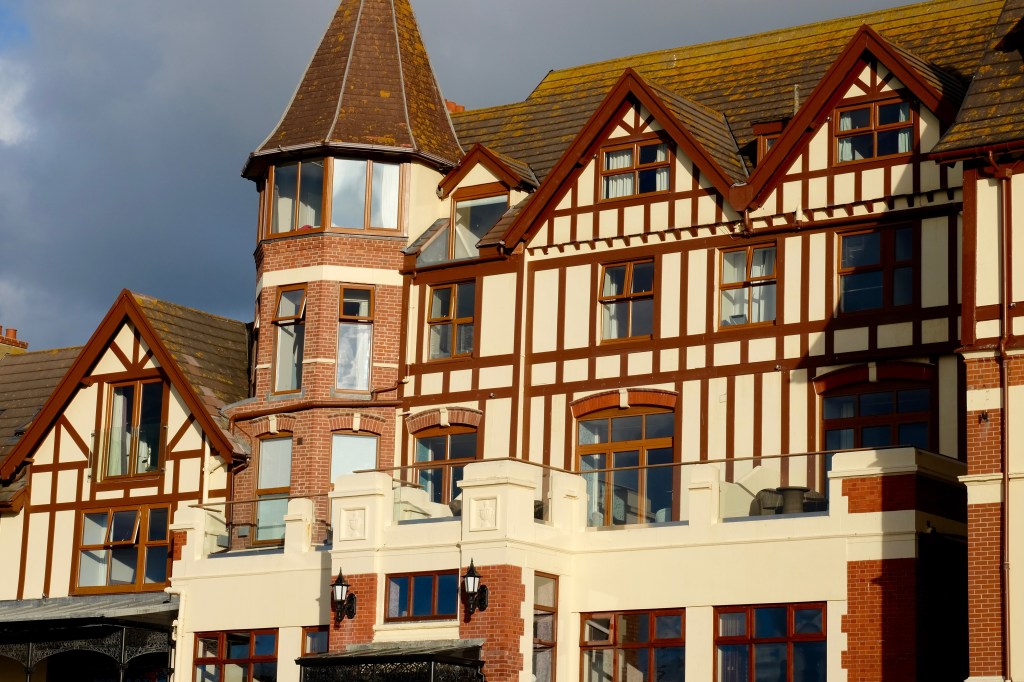
One of the most significant and imposing buildings in the village is the Woolacombe Bay Hotel (above). The hotel was constructed in 1887 when it applied for its first license, and was initially called the “Shakespeare Hotel”, although this must have been short-lived as the building is labelled as the Woolacombe Bay Hotel on the 1904 Ordinance Survey mapping.
Like a number of British beaches Woolacombe Beach has always been privately owned, Stanley Parkin bought the beach and the Greensward in 1948. When Lady Chichester died in 1949, on her passing the Chichesters’ land in Woolacombe and Morethoe and the family estate at Arlington was willed to the National Trust. Parade House was left to her housekeeper, Rllan Smale. The land we know today as Marine Drive was left to Devon Country Council for them to construct a coast road.
Located on the North Devon coastline, Woolacombe has been a popular destination for holiday makers for many generations
Woolacombe History
Woolacombe as written in Wardlock’s Guide
Woolacombe is a seaside resort of rapidly-growing importance, reached by way of Mortehoe station 1 ½ miles distant, with which, as with Ilfracombe, it is connected by motor-bus. An excellent…
Keep reading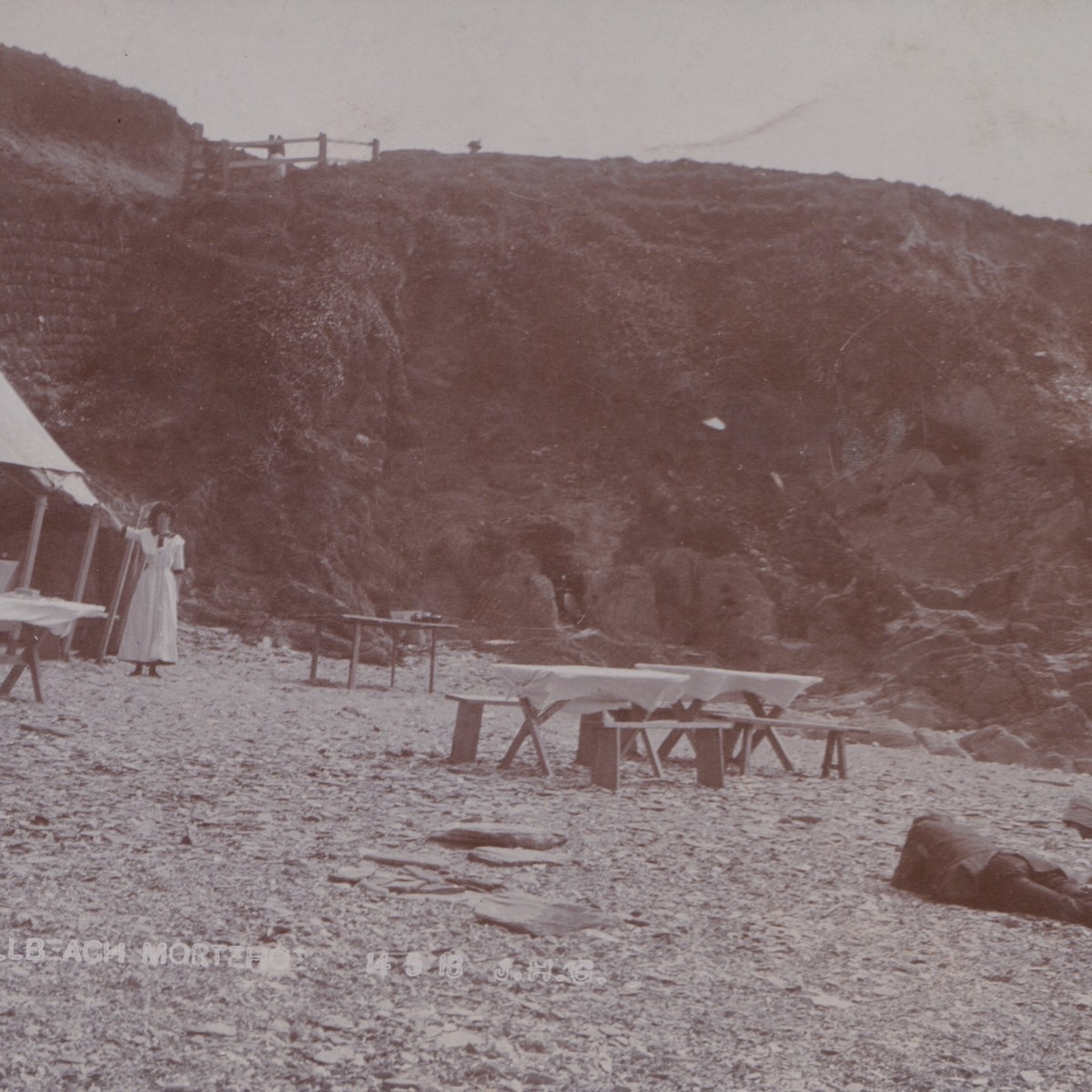
I call it magic. I have myself been under the spell. I thought it was merely idiotic at first
Thursday 14th September 1882 Morte-Hoe On the whole I consider Devonshire (not to say Cornwall) undeveloped, from the watering-place point of view. Ilfracombe and Torquay are always to the fore, but…
Keep reading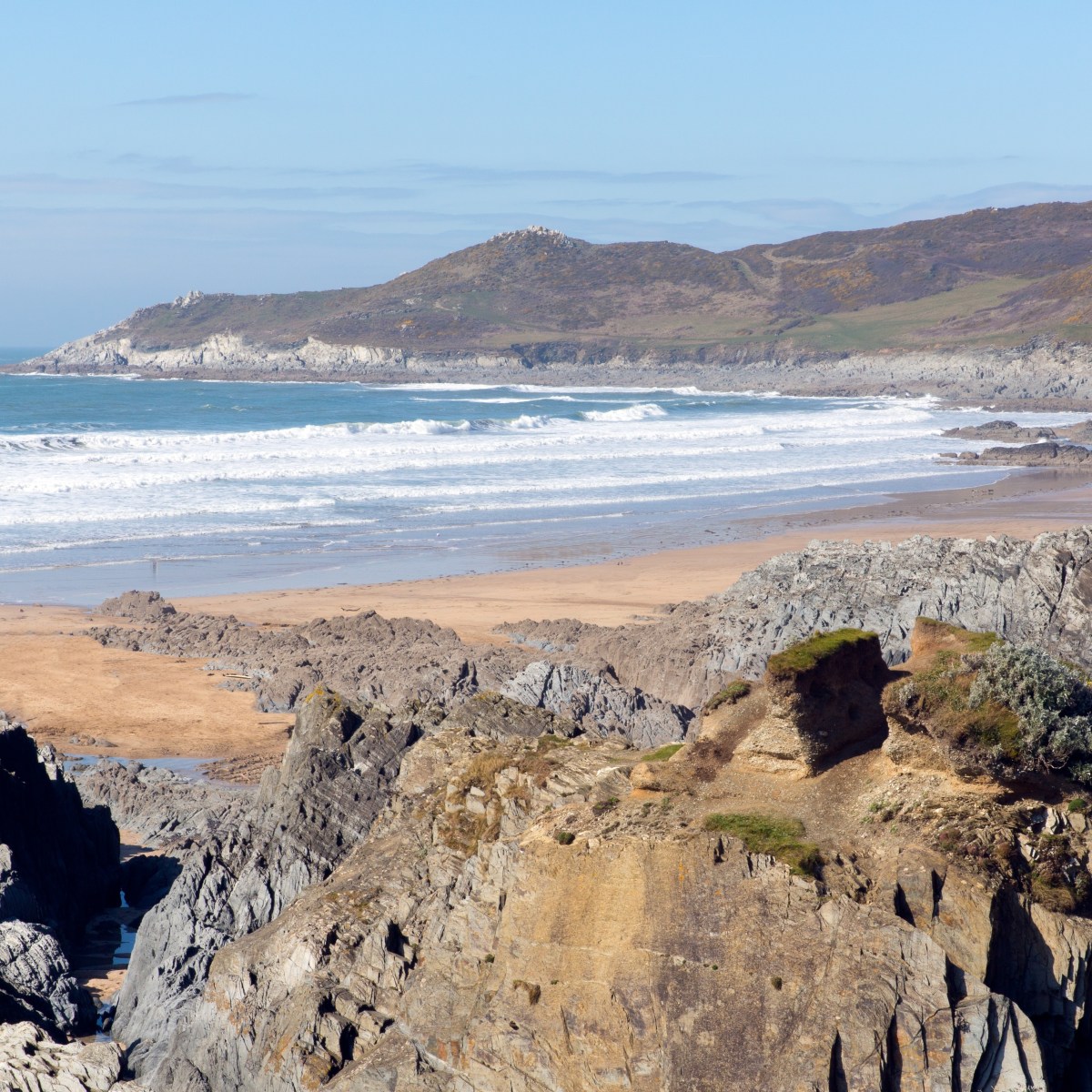
Woolacombe & Mortehoe 1899 – A visitors review
Morte Point, with its stern beauty, and the slanting spur of rocks which is covered when the tide is full, then the suggestiveness of the name is seen, and dwellers here about…
Keep reading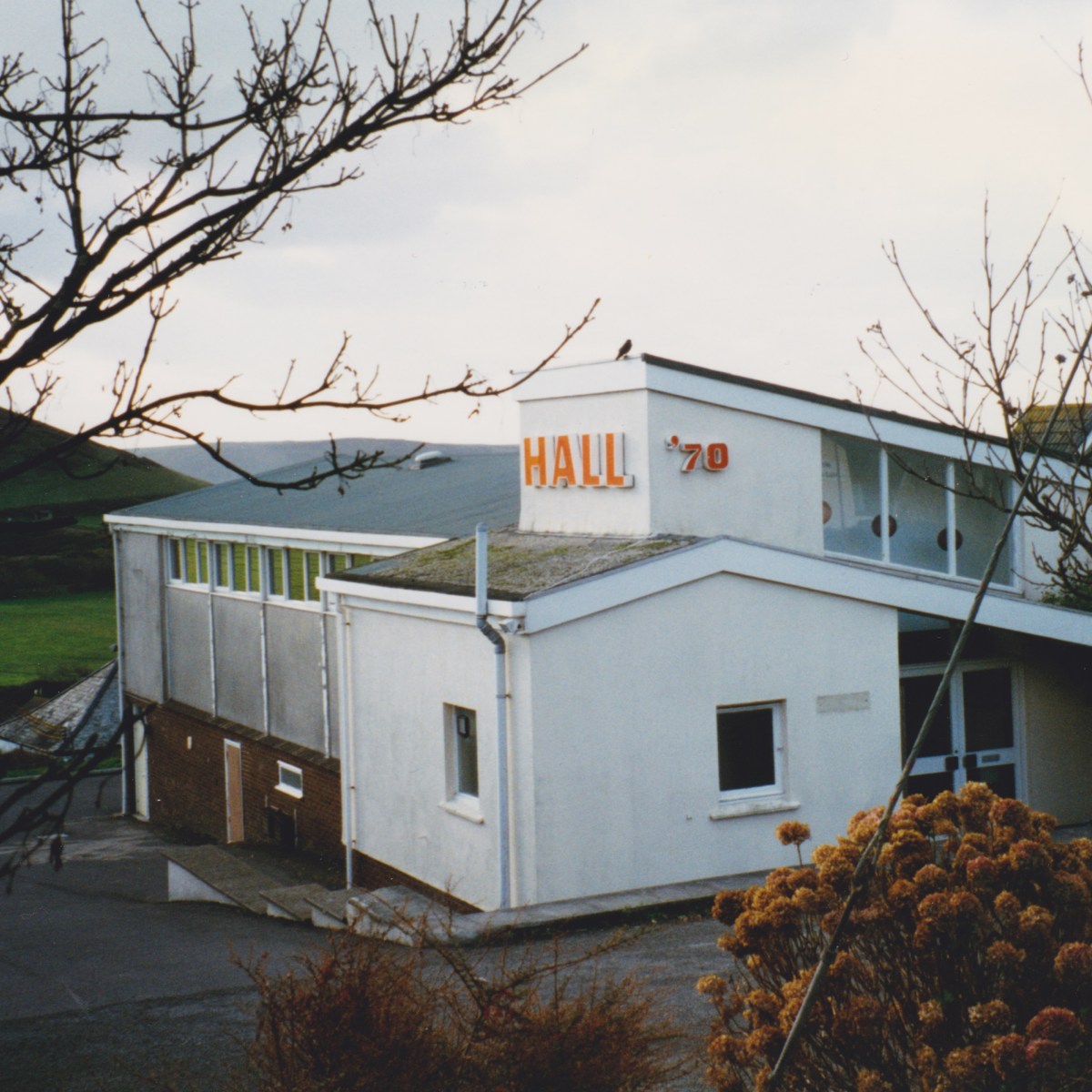
Hall 70 Woolacombe
Woolacombe’s village hall can be found on Beach Road, and is available to hire by calling 01271 870247. The hall is the hub of the village used for many social and…
Keep reading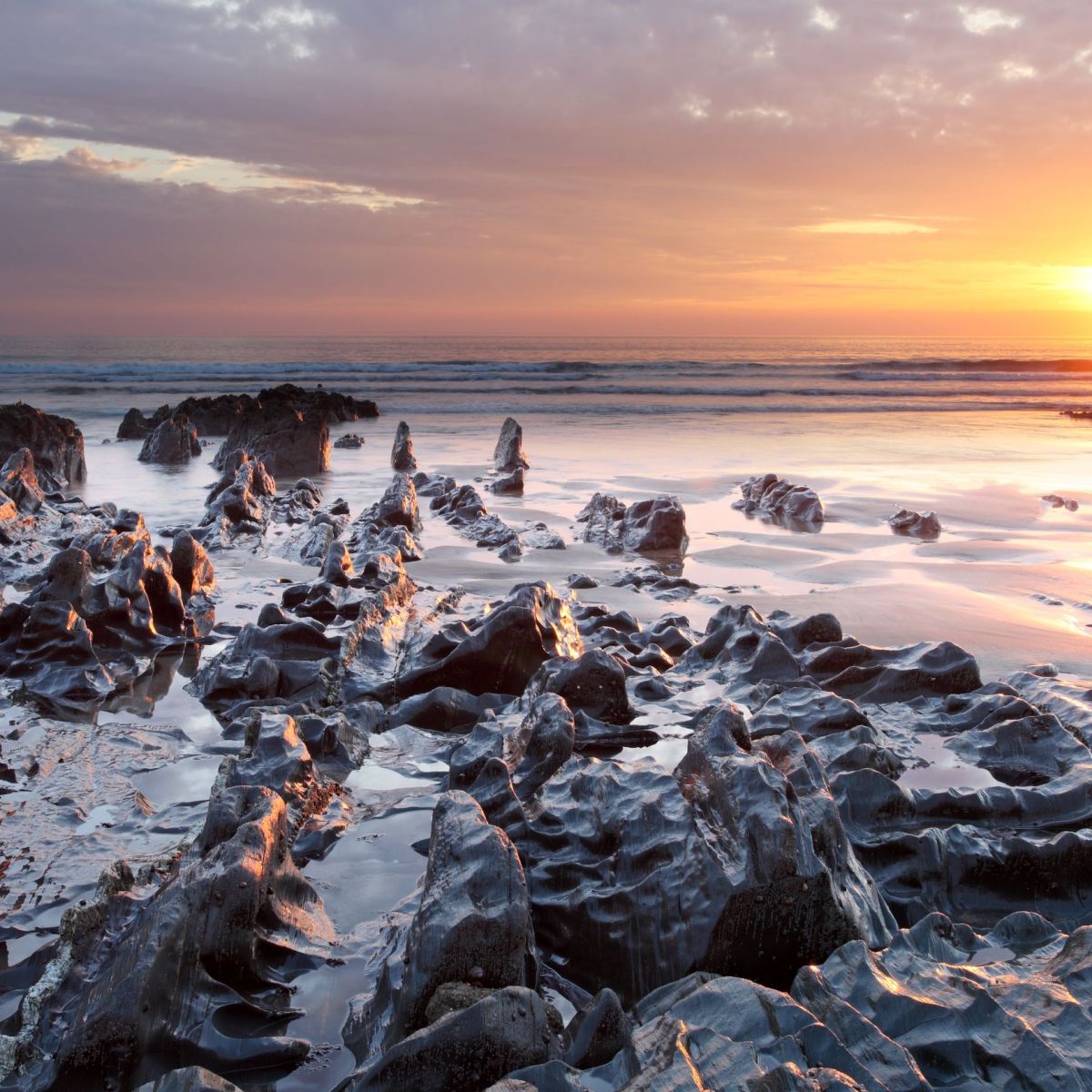
Elizabeth Berry – Notorious Wrecker
The North Devon coast was often named “The Sailors Grave” it was said that sailors would rather drown at sea than come intothe shore’s of Mortehoe. There are many unknown…
Keep reading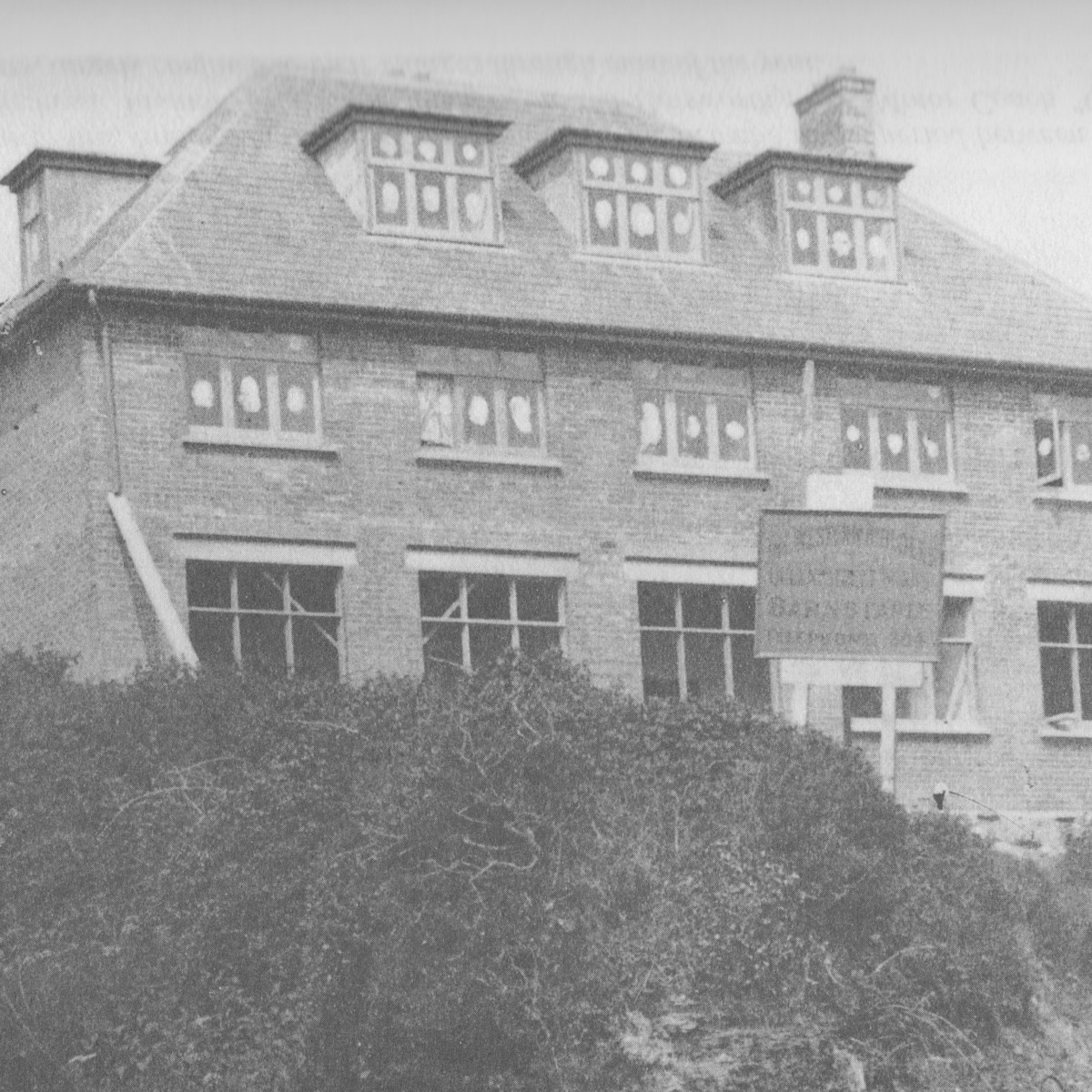
Hotel Pandora
Pandora House Hotel was built in the 1930’s and is believed to have been the first purpose built boarding house in Woolacombe. It was built in the newly cut out…
Keep reading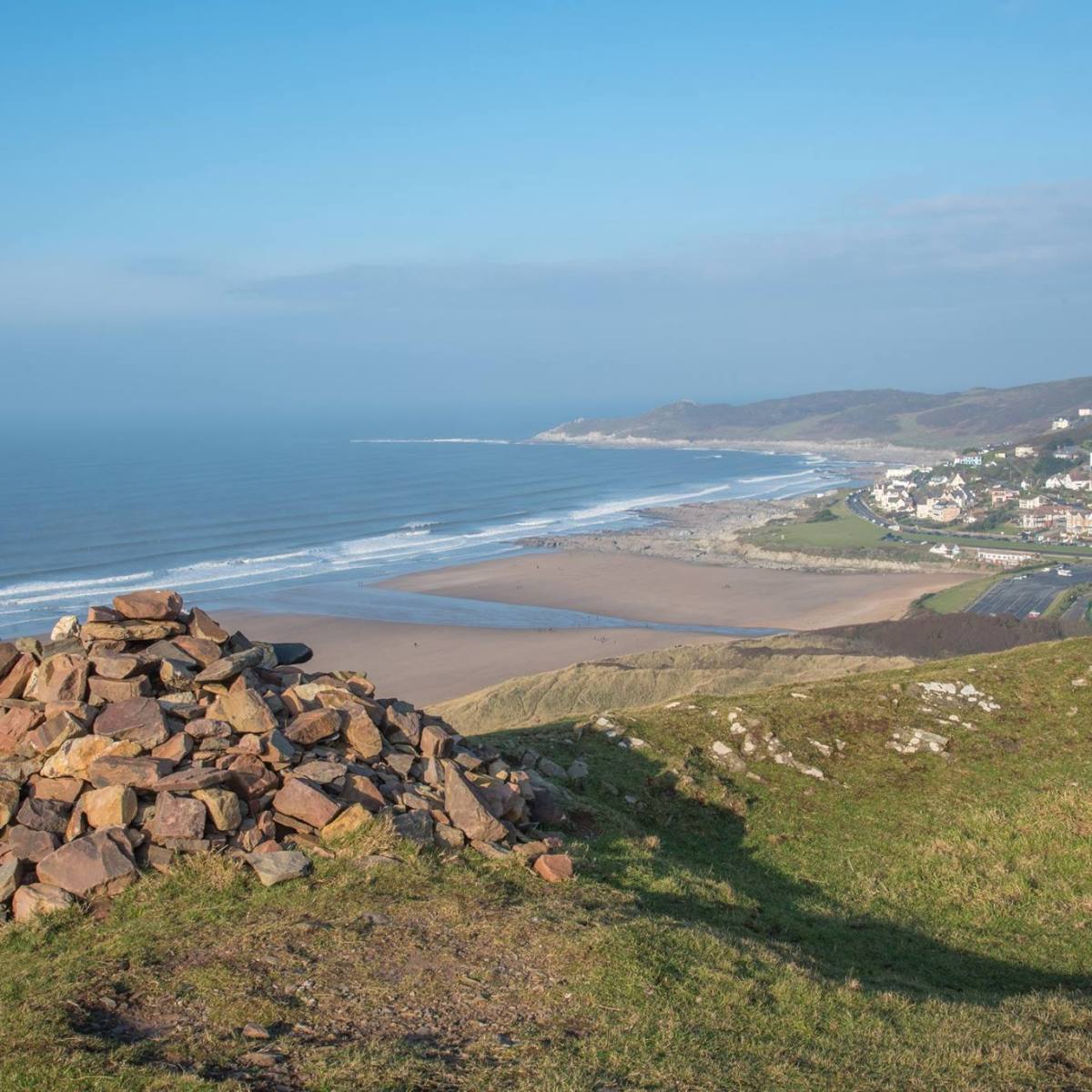
Woolacombe, Mortehoe and The Chichester Family
The Chichester family had a strong and important connection with Woolacombe and Mortehoe. The family owned much of the North Devon Coastline including their home at Arlington Estate. Woolacombe beach…
Keep reading
The Woolacombe Bay Hotel
The Woolacombe Bay Hotel was constructed in 1887, and was initially called the “Shakespeare Hotel”, before it was renamed the Woolacombe Bay. Photographs of the Hotel under construction show, at…
Keep reading
Woolacombe Weavers (1938)
The girl weavers of Woolacombe find their craft slimming. “Weaving exercises so many muscles,” explained grey-eyed brunette Miss R. Woollan. “You are always moving legs and arms. Glade here almost…
Keep reading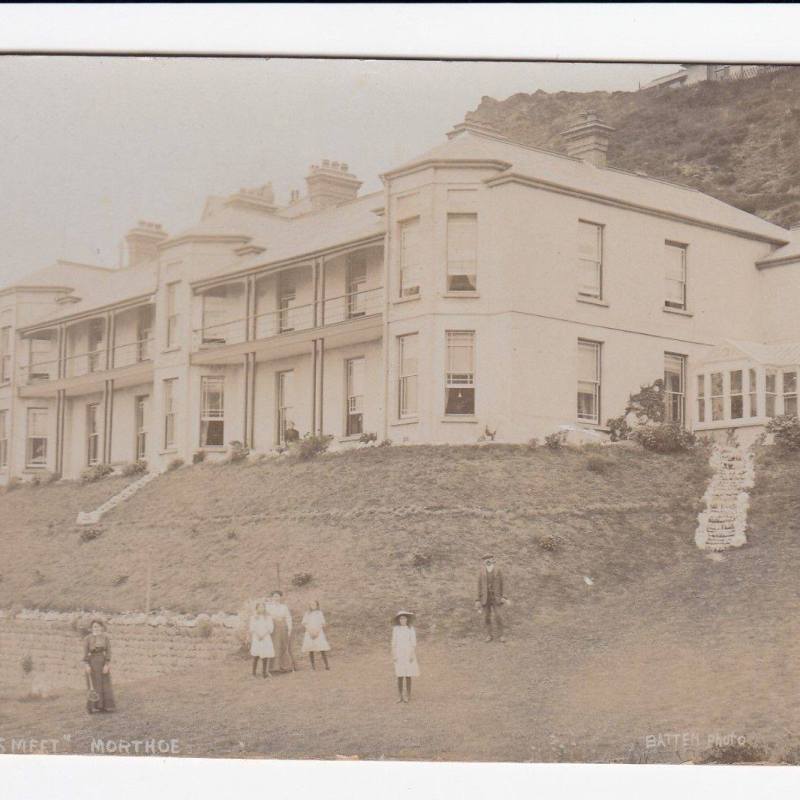
The Watersmeet Hotel
The Watersmeet Hotel by Sue Hill, Barricane Books Find this lovely, gracious hotel at the far end of Woolacombe’s Esplanade, facing due south, with its grounds running down to Combesgate…
Keep reading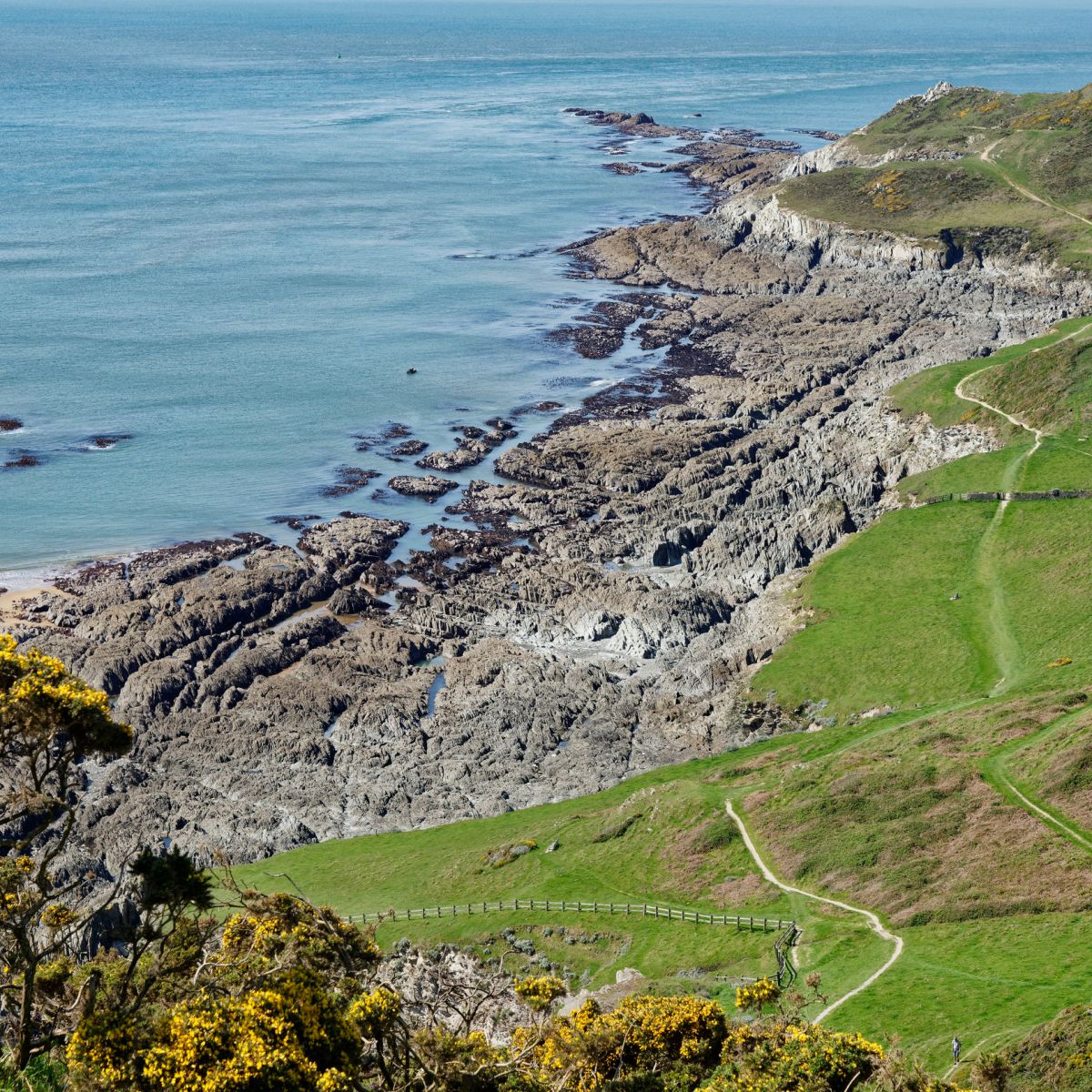
Mortehoe & Woolacombe As Seen by A Rambler (1886)
A wonderful depiction of Woolacombe & Mortehoe, as seen by a rambler travelling to the area in 1886. Arriving at Mortehoe Station, he tells of his journey down the hills…
Keep reading
Mortehoe & Woolacombe Station
The London and South Western railway line was extended from Barnstaple to Ilfracombe in July 1874, when the Mortehoe railway station was opened. On Tuesday 9th January 1894 the station…
Keep reading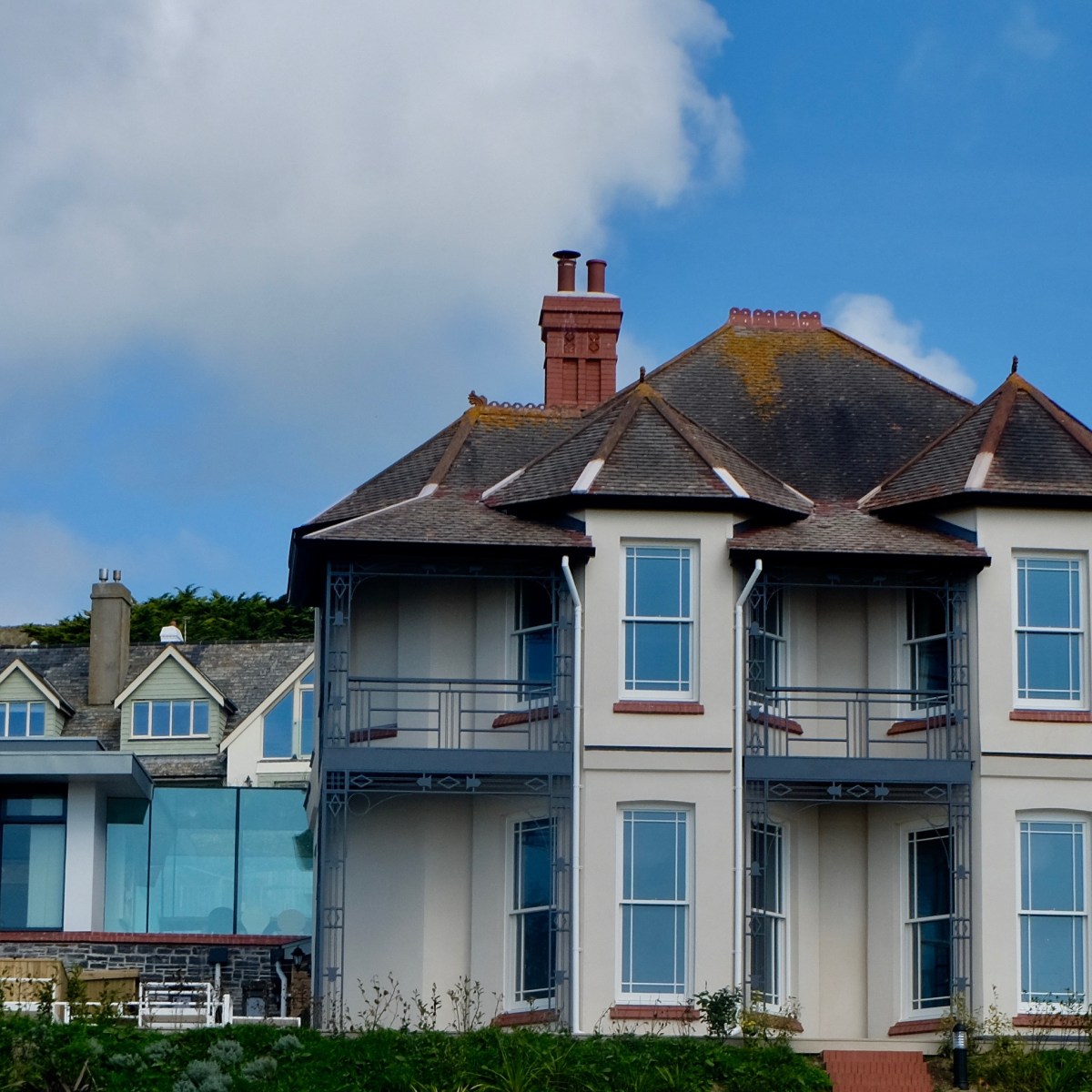
Parade House, Woolacombe
Once the home of Rosalie Chichester, Parade House has been turned into luxury self catering holiday lets, John and Briony who have a deep affinity with Woolacombe and all it…
Keep reading
Woolacombe Housing Estate – Arlington Place (1948)
1st January 1948 WOOLACOMBE HOUSING ESTATE Mrs. J. E. Pile Performs Opening Ceremony An interesting Christmastide ceremony was the formal opening of Woolacombe’s new housing estate. The ceremony was performed…
Keep reading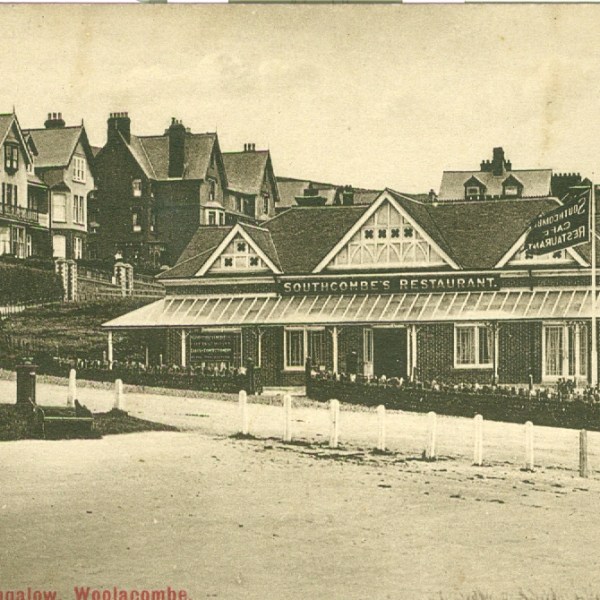
Bungalow Cafe Restaurant – known today as the Red Barn (1906)
North Devon Journal – Thursday 31 May 1906 Bungalow Café Restaurant at Woolacombe Under this title a new refreshment room was opened at Woolacombe on Monday by Mr G. Southcombe…
Keep reading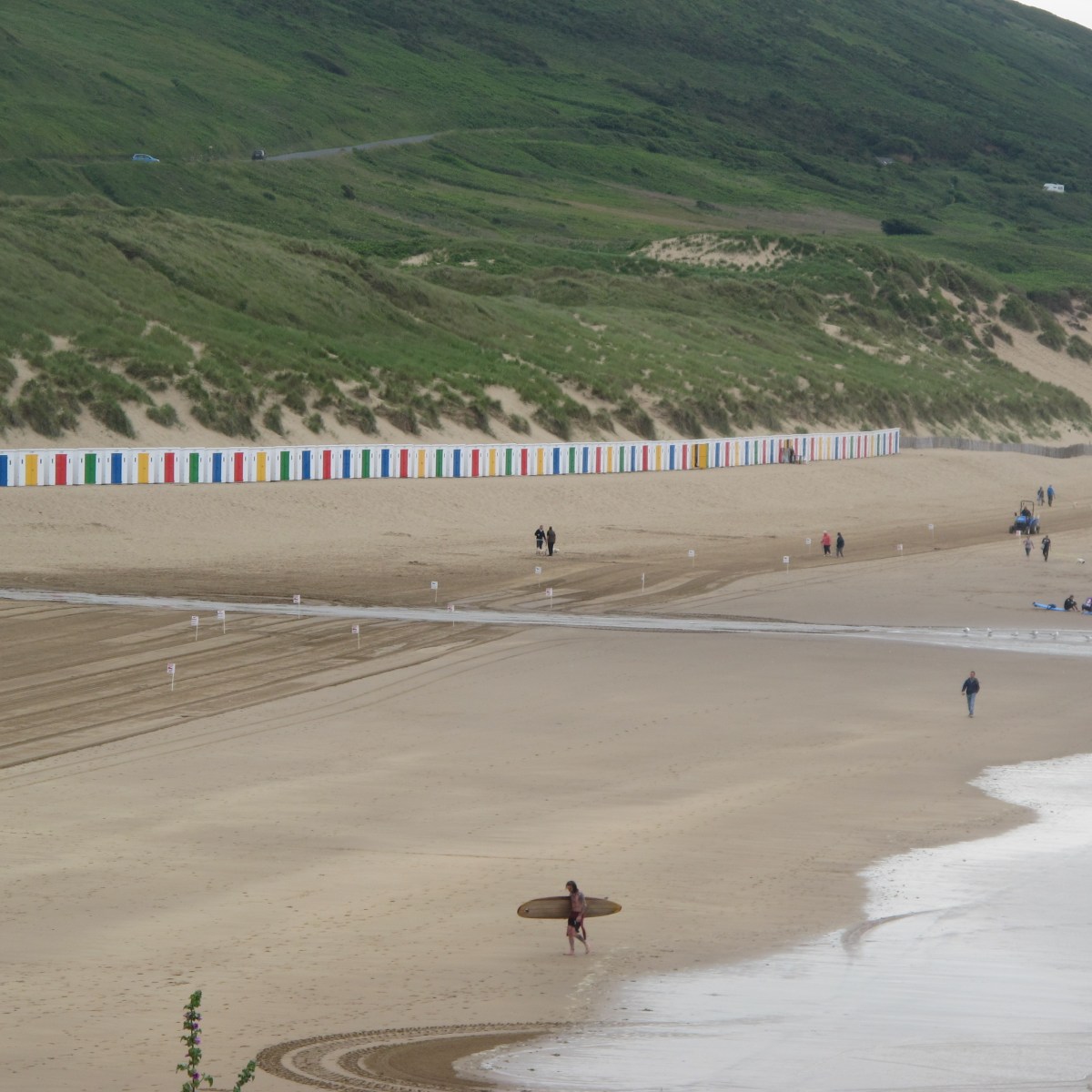
Gateway to Paradise Trickling stream that divides two world
Gateway to Paradise Trickling stream that divides two worlds Friday 25th Jan 1935 By S. P. B. Mains As I am for the greater part of the year moving rapidly…
Keep reading
Inauguration of Woolacombe’s Water Scheme (1905)
4th August 1905 Red Letter Day Morte Hoe and Woolacombe, two of the most popular watering places in the North Devon coast, were Tuesday given over to a public holiday,…
Keep reading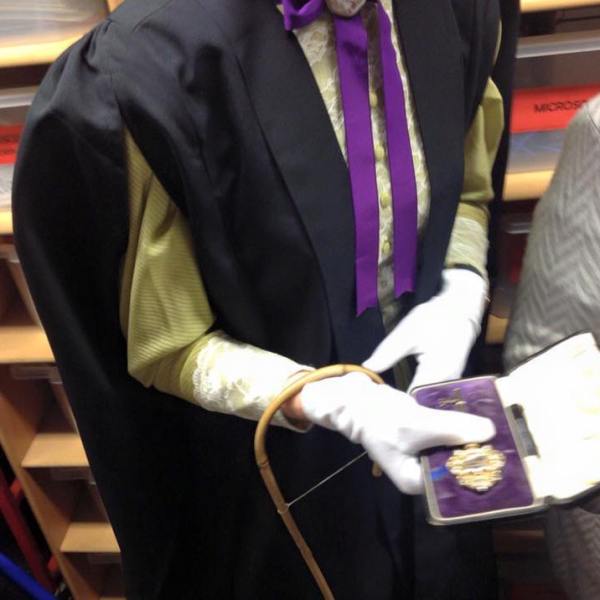
Woolacombe School Celebrates 100 years
January 13th 1916 Woolacombe New School Opened by Miss Chichester, of Arlington. On Monday 11th January, the staff and children of Woolacombe School celebrated its centenary. 100 years previously, 11th…
Keep reading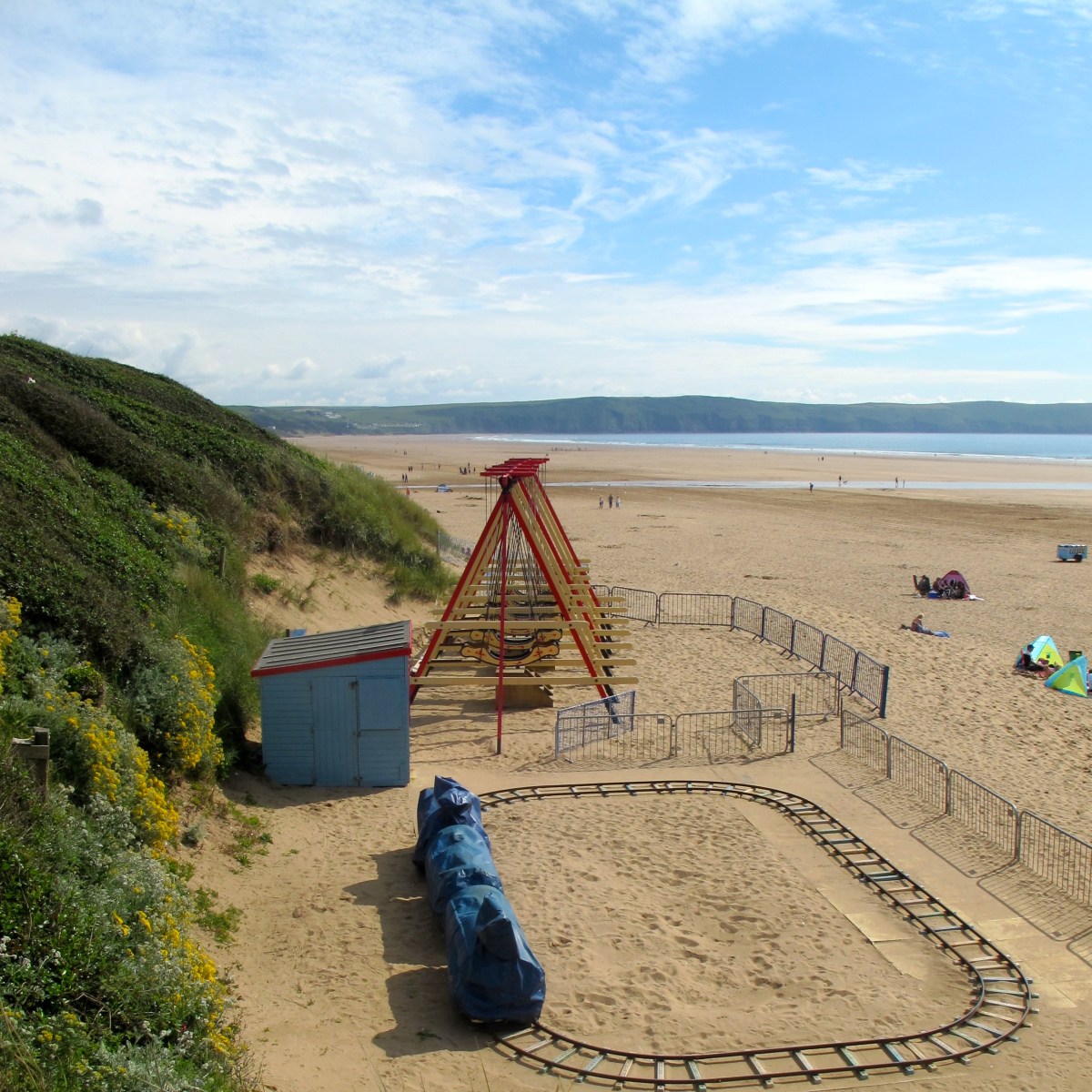
Woolacombe Improvements (1946)
22 August 1946 Woolacombe Improvements No “Miniature Blackpool” The recent announcement in the “Journal-Herald” that Messrs, Parkin Amusements were embarking on a £50,000 scheme for Woolacombe was received with mixed…
Keep reading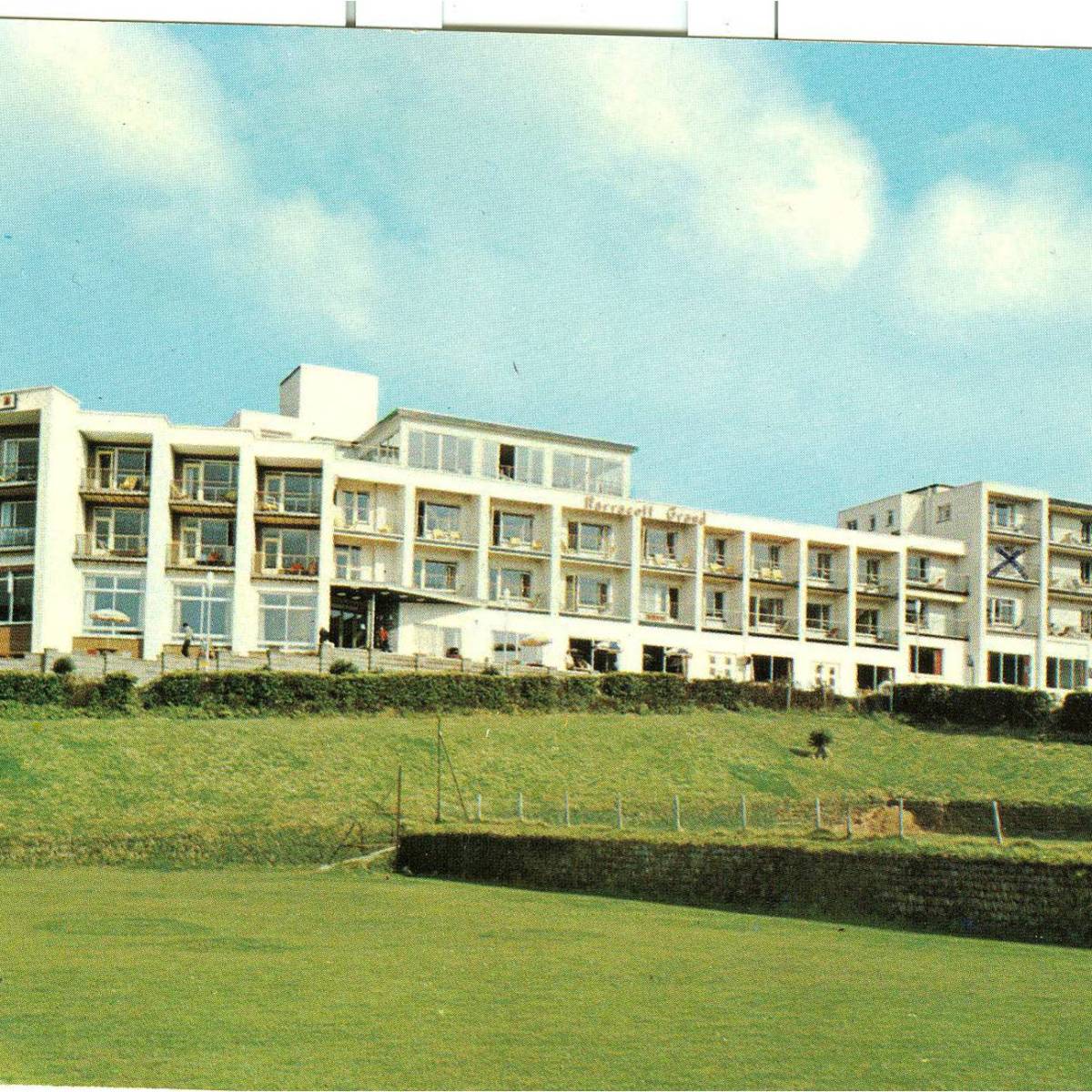
The Narracott – Steve Brown
Local estate agent, auctioneer and now writer Steve Brown is ‘Woolacombe born and bred’, representing the third generation of one of the oldest ‘boarding house’ families in the village. In…
Keep reading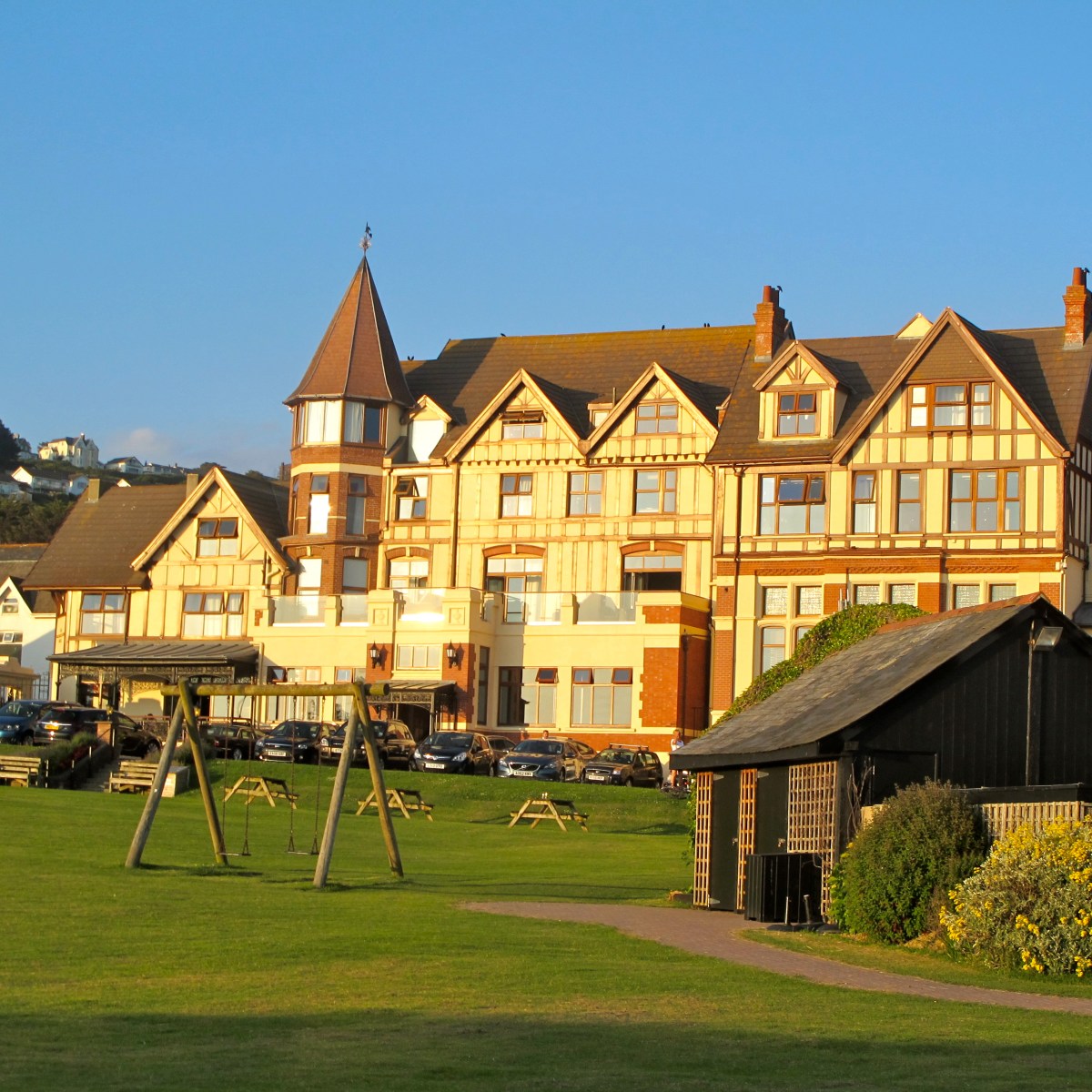
Woolacombe – A short history, by Sarah Prankerd
An area of special architectural or historic interest, the character or appearance which it is desirable to preserve or enhance Woolacombe is one of these. When you live in an…
Keep readingExplore Woolacombe
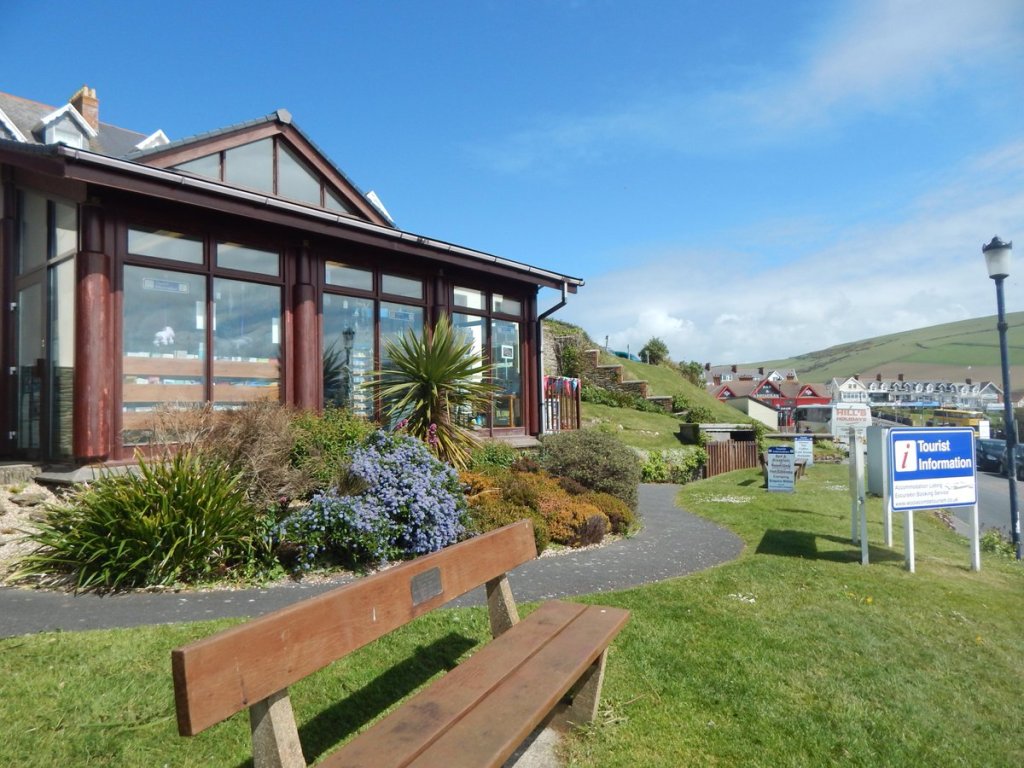
Woolacombe Tourist Information Centre
Woolacombe Tourist Information Centre is a fantastic local resource, Rachel and the team do a wonderful job, making it the perfect place to visit and find out more about local accommodation, attractions and much more.
Woolacombe Tourist Information Centre has been in its’ current location since it opened in March 1999, it is situated in a prime spot, looking down the length of the award-winning beach, all the way to Putsborough.
.
 woolacombemortehoevoice.co.uk